AI & Preventive Care: The Future of Global Dentistry in 2025
Dentistry in 2025 is smarter, gentler, and more holistic. By embracing AI diagnostics and prioritizing preventive care that protects your whole body, you can ensure a smile that is not only beautiful but also a pillar of your overall health.
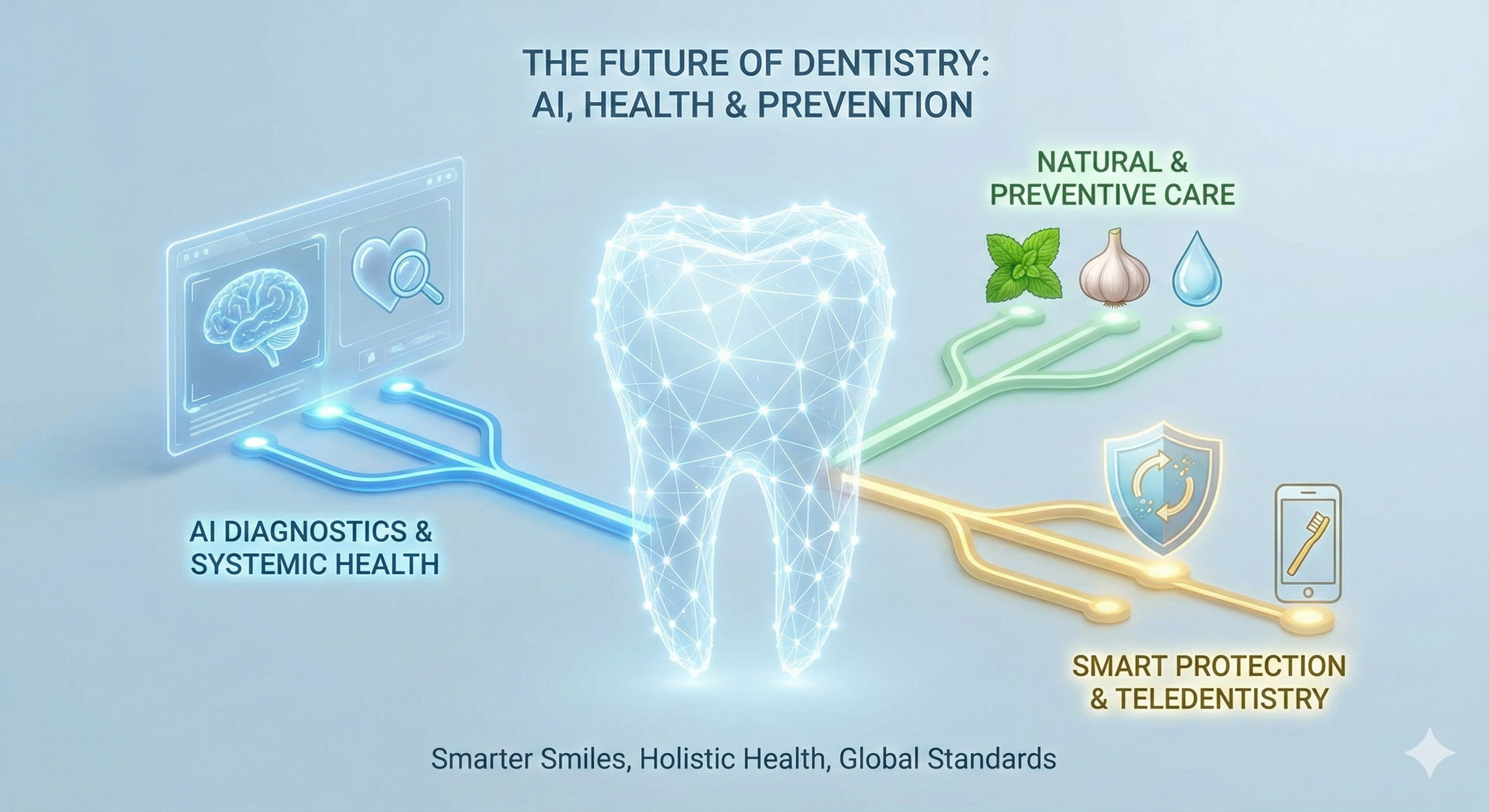
The Future of Your Smile: AI Diagnostics and Preventive Dentistry Trends for 2025
The world of dentistry is shifting rapidly. Gone are the days when a dental visit was just about filling cavities. In 2025, global dentistry is embracing a dual revolution: high-tech Artificial Intelligence (AI) for precision diagnosis and a holistic return to preventive care.
Whether you are in New York, London, or Tokyo, modern dental clinics are adopting tools that not only fix teeth but also predict future health issues. This blog explores how these global trends affect you and why your next dental check-up might be more advanced than you think.
1. Artificial Intelligence: The New Standard in Diagnostics
AI is no longer science fiction—it is the new standard in top-tier dental clinics. AI-driven diagnostics are making treatments faster, less invasive, and incredibly accurate.
How AI is Changing the Dentist Chair
Early Detection: AI algorithms can analyze X-rays to spot decay or bone loss years before the human eye can see it.
Precision Treatment: 3D scanning combined with AI helps create perfectly fitting crowns, veneers, and invisible aligners in record time.
Personalized Care: Your dental data is analyzed to create a custom prevention plan based on your unique risk factors.
Note: AI doesn't replace your dentist; it acts as a "second opinion" that never gets tired, ensuring no detail is missed during your exam.
2. The Oral-Systemic Link: Your Mouth as a Mirror to Your Health
One of the most significant global trends in 2025 is the focus on the oral-systemic link. Doctors and dentists are working together more closely than ever because research proves that a healthy mouth equals a healthy body.
Key Connections You Should Know
Heart Health: Chronic gum disease (periodontitis) is strongly linked to an increased risk of heart disease and stroke.
Diabetes Control: There is a two-way street between diabetes and gum health. Managing gum disease can actually help stabilize blood sugar levels.
Brain Health: emerging studies suggest links between oral bacteria and Alzheimer's disease, making oral hygiene a critical part of aging gracefully.
3. Preventive Dentistry: Natural and Minimally Invasive
Patients worldwide are demanding "minimally invasive" treatments. The goal is to keep your natural teeth healthy for life, rather than drilling and filling.
Modern Preventive Strategies
Enamel Regeneration: New remineralizing toothpastes and treatments are helping to reverse early decay without fillings.
Natural Antimicrobials: There is a rising interest in plant-based oral care (like garlic extracts or echinacea-based rinses) backed by scientific research for their antibacterial properties.
Teledentistry: Remote check-ins allow dentists to monitor your hygiene habits without requiring a physical visit every month.
Supporting Content: 5 Quick Tips for a 2025 Smile
Upgrade Your Brush: Switch to a smart electric toothbrush that tracks your brushing coverage via an app.
Floss Daily: It remains the #1 way to reduce systemic inflammation caused by gum disease.
Watch the pH: Limit acidic drinks (like soda or lemon water) to protect your enamel from erosion.
Ask About AI: When choosing a new dentist, ask if they use AI-assisted imaging for better diagnostics.
Hydrate: A dry mouth is a breeding ground for bacteria. Drink water throughout the day to maintain healthy saliva flow.
FAQs: Common Patient Questions
Q1: Is AI in dentistry safe?
A: Yes, absolutely. AI is a diagnostic tool used to assist dentists. It involves software analyzing images and data. It does not perform invasive procedures on its own and improves the safety and accuracy of your diagnosis.
Q2: I am over 30. Is it too late for orthodontic treatment?
A: No! A major trend in 2025 is "adult orthodontics." As long as your gums and bone structure are healthy, age is just a number. Invisible aligners are a popular choice for adults seeking discreet treatment.
Q3: Can natural remedies really replace fluoride?
A: While natural remedies like herbal mouthwashes can reduce bacteria, they usually do not replace the enamel-strengthening power of fluoride or hydroxyapatite. It is best to use them as a supplement to your standard routine, not a total replacement.
Q4: How often should I see a dentist if I have good teeth?
A: The global standard remains every six months. However, with AI-driven risk assessment, some low-risk patients may only need to go once a year, while high-risk patients (smokers, diabetics) may need visits every 3-4 months.
Q5: What is the first sign of gum disease?
A: Bleeding when you floss or brush is the most common early sign (gingivitis). Healthy gums do not bleed. If you notice this, book an appointment immediately—it is often reversible at this stage.